
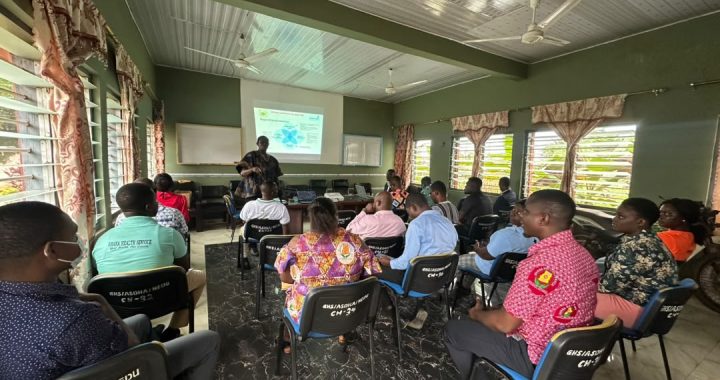
In a decisive step toward eliminating maternal mortality, the Ghana Health Service (GHS), in collaboration with international health partners, organized a critical sensitization workshop for all Heads of Health Facilities in the Adansi South District. The event, which took place on Tuesday, 14th July, 2026, officially introduced the SUPREME Lifelines Project to the district’s frontline medical leadership.
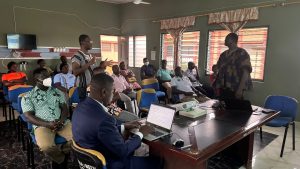
The SUPREME (Sustained Uptake of Products for Pre-Eclampsia and Maternal Anemia) initiative—funded by Unitaid and the Bill & Melinda Gates Foundation—is a maternal health intervention targeting two of the most common and life-threatening complications of pregnancy: Pre-Eclampsia (PE) and Maternal Anemia (MA).
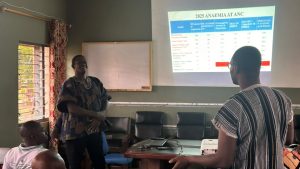
Key Highlights and Objectives of the Sensitisation Meeting
The sensitization session served as a strategic orientation for facility heads to prepare their respective teams for the upcoming deployment and integration of the SUPREME Lifelines framework.
-
Tackling High-Risk Maternal Conditions: Facility heads were briefed on the clinical focus of the project, which aims to accelerate demand and optimize the clinical adoption of life-saving maternal tools. These include low-dose aspirin for prevention, advanced blood-pressure screening devices, and rapid anemia diagnostics.
-
Capacity Building and Protocols: Clinical leads and facility heads discussed standardizing care pathways, focusing on early identification of pre-eclampsia risk in pregnant women and administering treatments like magnesium sulfate and intravenous iron.
-
Implementation & Partnerships: The district-level rollout of the project is being supported under the SUPREME Lifelines consortium, which is spearheaded by Amref Health Africa alongside key technical partners including Jhpiego, Solthis, and Market Access Africa.
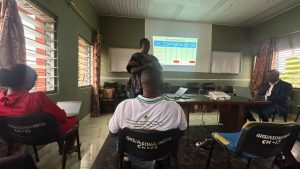
Why the SUPREME Lifelines Project Matters for Adansi South
Pre-eclampsia remains a leading cause of maternal and neonatal seizures, while severe maternal anemia drastically increases the risk of postpartum hemorrhage (severe bleeding after childbirth).
By equipping local clinics and CHPS (Community-based Health Planning and Services) compounds across the Adansi South District with high-quality, affordable diagnostics and medicines, the project seeks to ensure that no pregnant woman lacks access to life-saving interventions.
During the workshop, GHS officials urged the facility heads to demonstrate maximum commitment and oversight to guarantee that the project’s products and protocols translate directly into saved lives.
Next Steps for Health Facility Heads
Following yesterday’s sensitization, the district health directorate outlined the immediate action steps:
-
Staff Briefings: Facility heads are expected to cascade the training and information to midwives, nurses, and community health workers within their facilities.
-
Inventory & Needs Assessment: Facilities will assess their current capacity for blood pressure monitoring and hemoglobin testing to coordinate incoming project logistics.
-
Data Integration: Streamlining data collection for maternal anemia and hypertensive disorders to monitor project impact.
District Information Technology & Public Relations Unit